
THE SUNI: SMALL SECRETS OF THE RARE SAND FOREST
If you move quietly through the dappled light of Wild Tomorrow’s Greater Ukuwela Nature Reserve, you might be lucky enough to catch a flash of russet-brown disappearing into the thicket. You haven’t seen a duiker or a Steenbok; you’ve just encountered one of Africa’s most enchanting and elusive residents: the Suni antelope (Nesotragus moschatus). Read more about this incredible little antelope in our blog below:
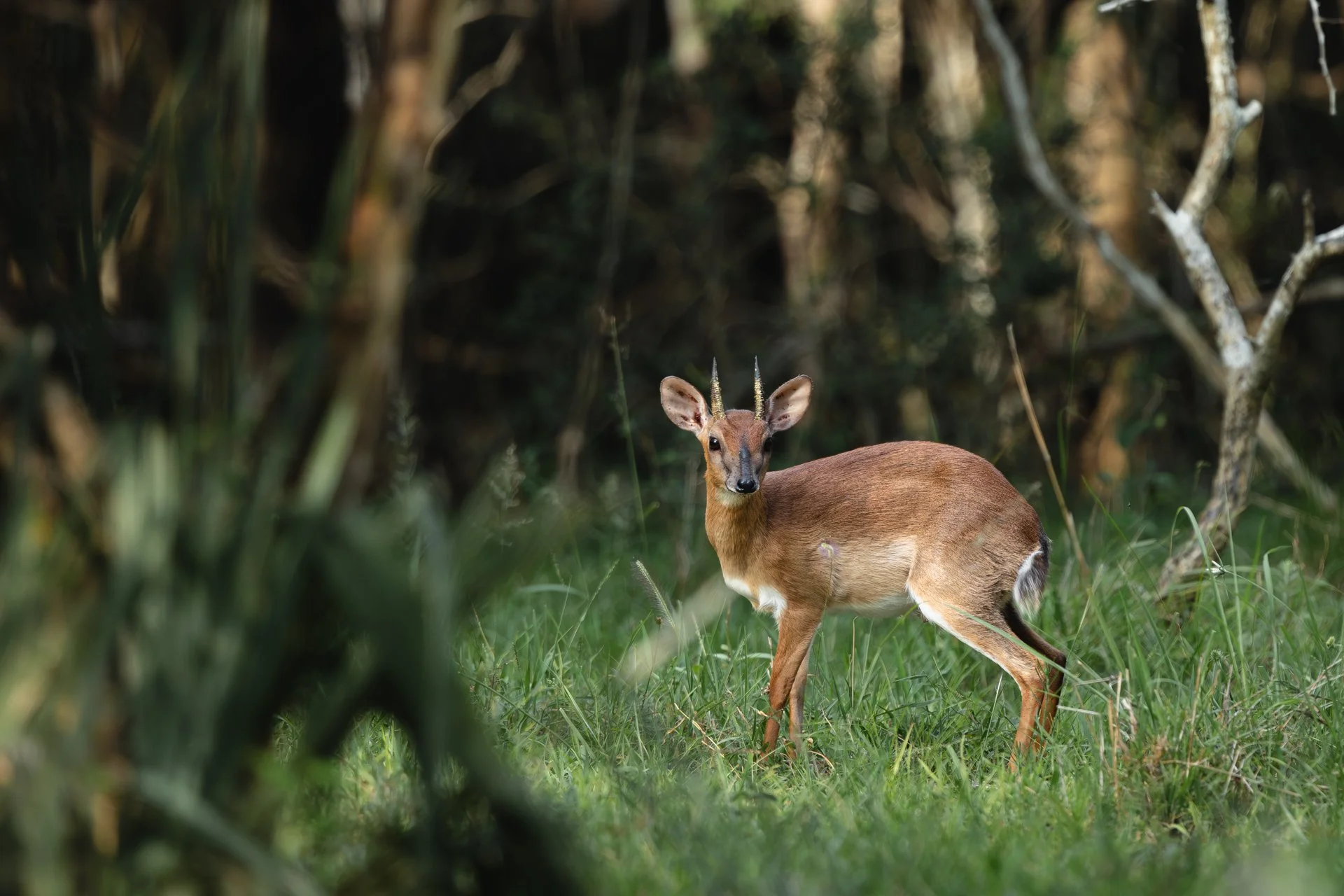
The Suni Antelope, seen on Wild Tomorrow’s Greater Ukuwela Nature Reserve.
At Wild Tomorrow, our mission is to protect the entire "web of life," from the towering giraffes to the tiny, shy Suni. We’re shining a spotlight on this miniature marvel and why its survival is linked to our work restoring the rare Sand Forest.
TINY BUT MIGHTY: GET TO KNOW THE SUNI
The Suni is one of the smallest antelopes in Southern Africa, standing at only 30–40 cm at the shoulder. But what they lack in stature, they make up for in specialized beauty and survival skills.
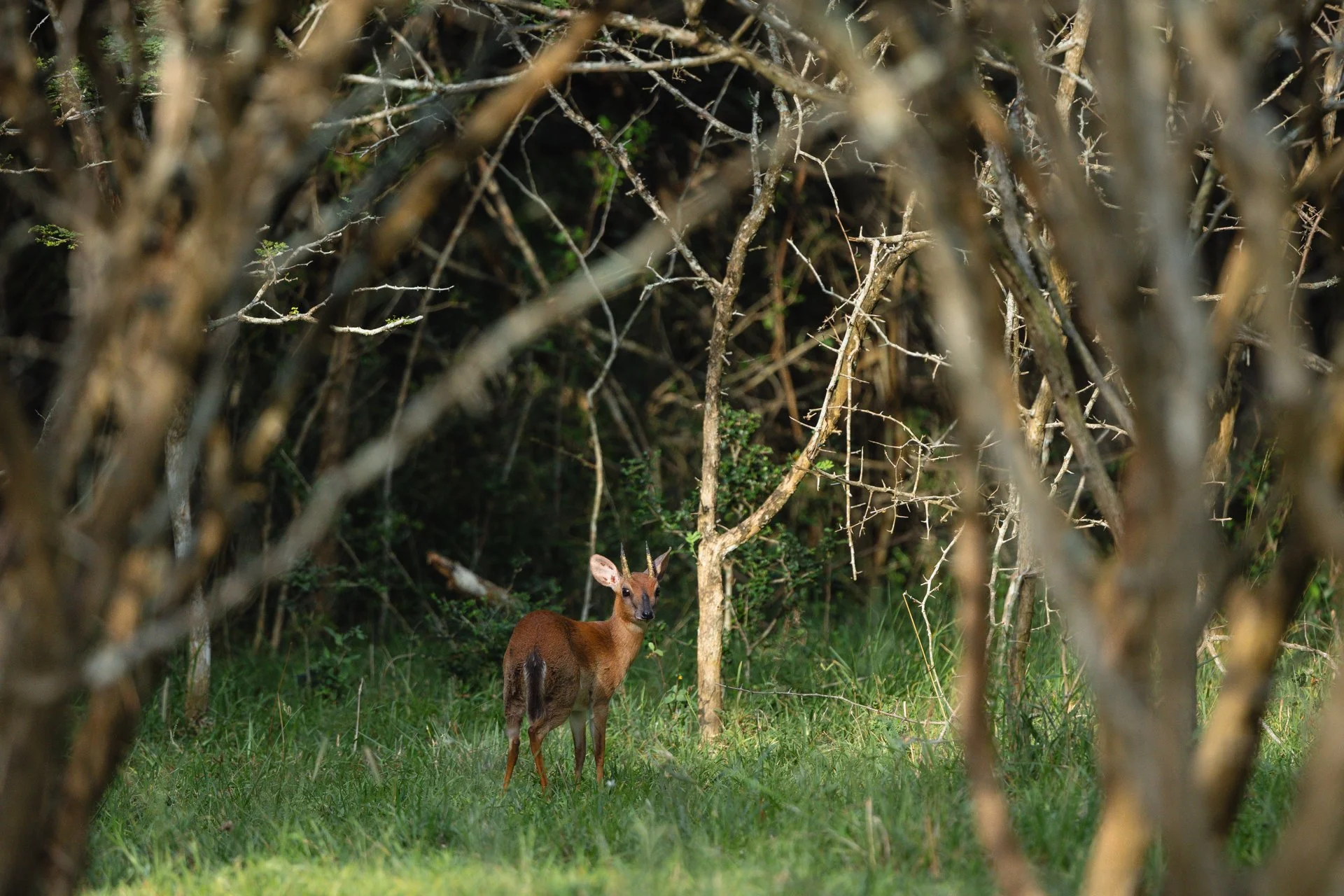
The Gourmet of the Forest Floor: Sunis are selective browsers. They don’t graze on grass; instead, they spend their days foraging for fallen leaves, flowers, and fruits. They are even known to follow monkeys and birds through the canopy, picking up the "scraps" dropped from above!
Masters of Camouflage: Their reddish-brown coats blend perfectly with the leaf litter. When threatened, a Suni won’t run immediately; it will freeze, only bolting at the very last second in a zigzag pattern through the undergrowth.
The Scent of Home: Both males and females have large preorbital glands beneath their eyes. They use these to rub a musky scent onto twigs and branches, marking their territories within the dense forest.
A SPECIALIST IN A DISAPPEARING WORLD
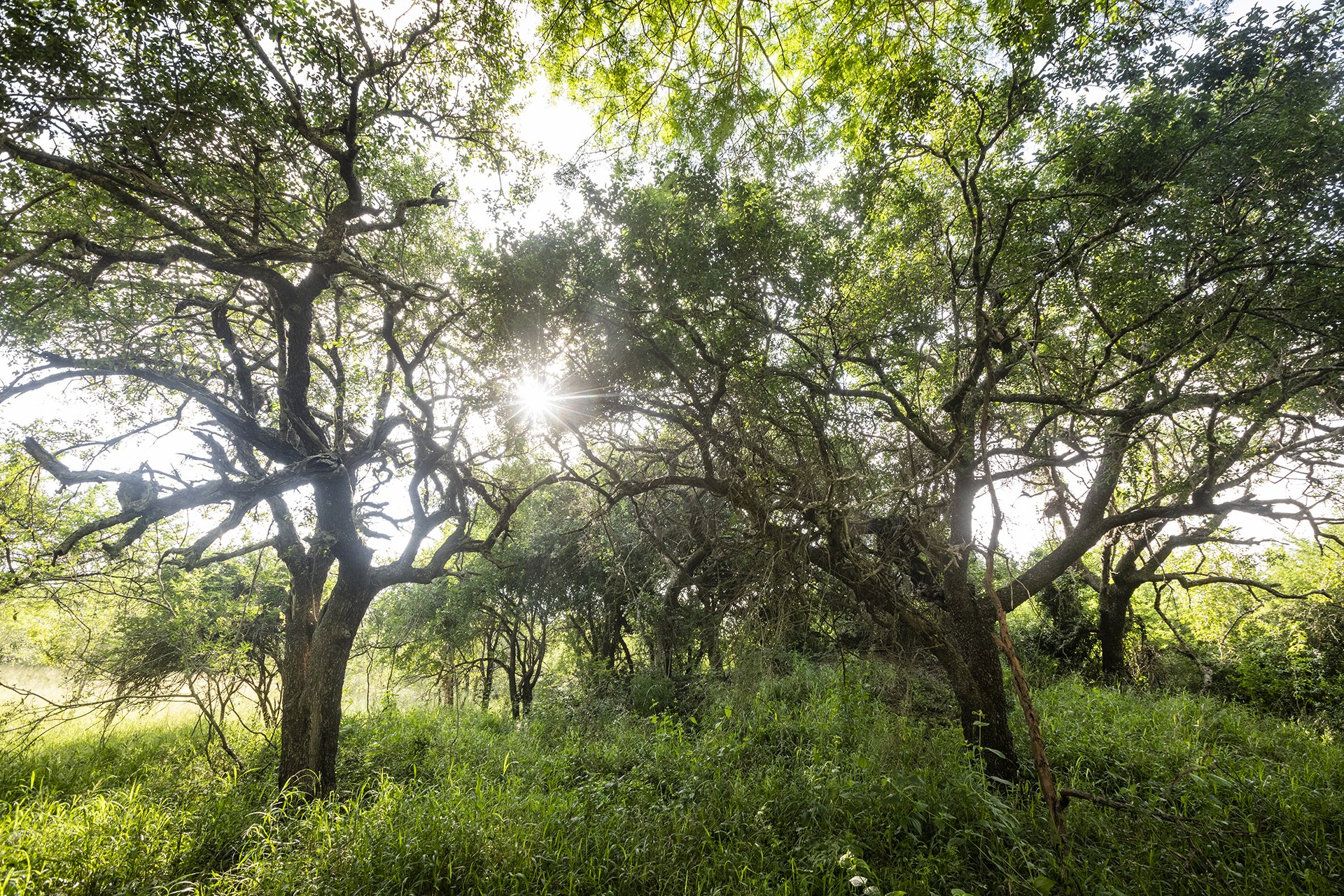
A section of protected endangered sand forest.
The Suni is a habitat specialist. They are almost exclusively found in dry woodlands, coastal forests, tropical thickets and—most importantly—the Critically Endangered Sand Forest, which homes the highest population densities in the southern part of their range.
Sand Forest is an ancient, unique ecosystem found only in a narrow strip of South Africa and Mozambique. It is characterized by high levels of endemism (species found nowhere else on Earth) and unique majestic trees.
While the Suni is listed as Least Concern globally, their local populations in South Africa are increasingly vulnerable. Why? Because they are losing their homes. Without the dense canopy and thick understory of the Sand Forest, the Suni has nowhere to hide, nowhere to eat, and no way to survive.
According to the latest SANBI (South African National Biodiversity Institute) assessments, the Suni is officially listed as Endangered in South Africa.
CREATING ROOM TO ROAM
At Wild Tomorrow, we aren't just "watching" the Suni; we are actively building more room for them to thrive.
The greatest threat to biodiversity in our region is habitat fragmentation. When the landscape is broken up by farms, plantations, or human developments, small animals like the Suni become restricted to "islands," unable to find mates or expand their territory.
This is why our LeMvelo campaign is so vital. We are constantly working to acquire and restore habitat, and we have an opportunity to protect something extraordinary! LeMvelo (meaning ‘nature’ in isiZulu), is up for sale. This extraordinary 300-acre property will protect some of Africa’s rarest and most endangered habitats, including the critically endangered Dry Sand Forest. Home to the suni antelope as well as leopard, white-backed vultures, and southern-banded snake eagles. LeMvelo borders the UNESCO World Heritage-listed iSimangaliso Wetland Park and will become a critical part of our expanding wildlife corridor on South Africa’s Elephant Coast.
When we protect habitat, we are creating a future for the Suni. We are ensuring that this tiny, shy antelope has a safe passage to move, a shaded place to forage, and a protected sanctuary to raise the next generation.
HOW YOU CAN HELP
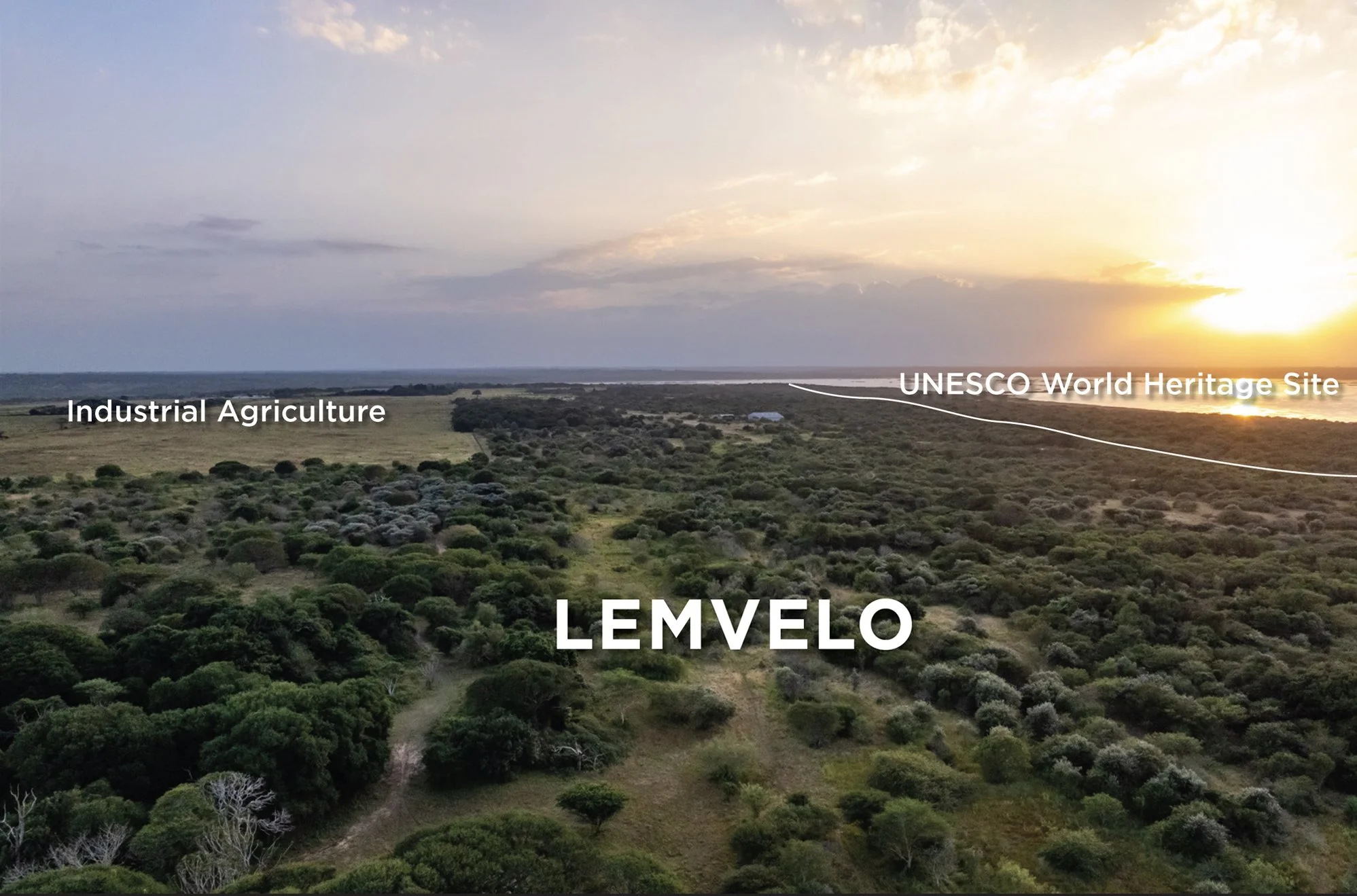
The Suni may be small, but its disappearance would signal a massive failure in our protection of the Sand Forest. We cannot let these ancient ecosystems—and the specialists that live within them—vanish on our watch.
You can take action today. Every donation to our LeMvelo campaign goes directly toward securing and restoring land, expanding the boundaries of safety for the Suni and all the species that call the Sand Forest home.
Let’s turn the tide on habitat loss. Help us transform fields back into forests.
“Protecting nature today is the wisest investment in tomorrow's world.”
- UNKNOWN