
CLIMATE CROSSROADS: WHERE BIODIVERSITY AND FOOD SYSTEMS COLLIDE
Thank you to all who attended our San Francisco virtual Climate Event and for coming together for an important conversation on how our food systems intersect with the planet’s biodiversity in today’s ever-changing world.
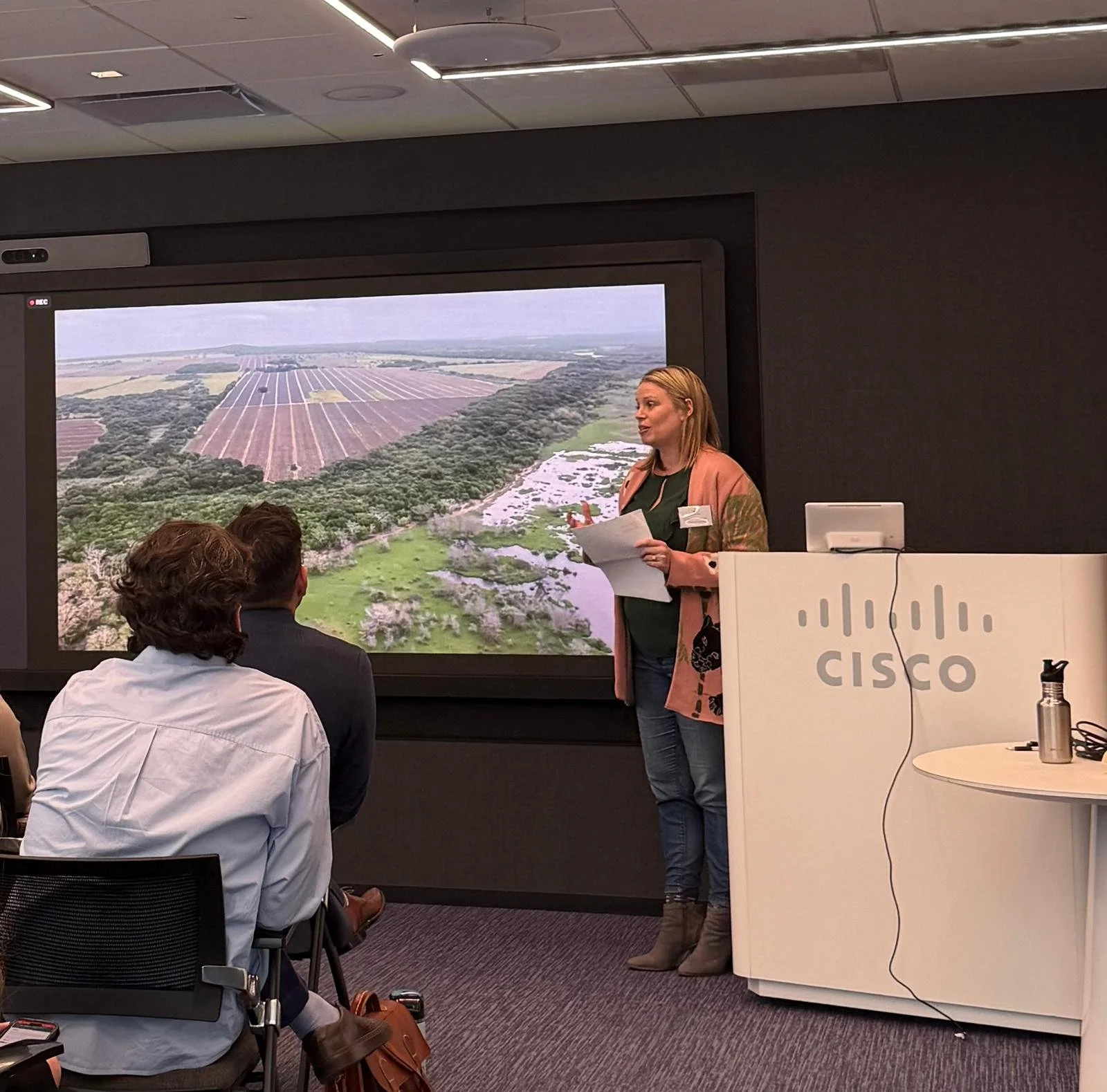
Wild Tomorrow and Biologists without Borders co-hosted a special educational event, Climate Crossroads: Where Biodiversity and Food Systems Collide, to highlight an often-overlooked truth: protecting wildlife from extinction isn’t just about solving the climate crisis—it’s about what we eat as well. To avoid the worst climate outcomes, we must protect and restore ecosystems that naturally store carbon, while halting the destruction of habitats and the extinction of species caused by agricultural expansion.
Key speakers were Sue Orloff, Director of Biologists without Borders, and Wendy Hapgood, Co-Founder of Wild Tomorrow and sustainability professor at Columbia University. Together, they emphasized eye-opening facts about how our food choices affect our planet's biodiversity.
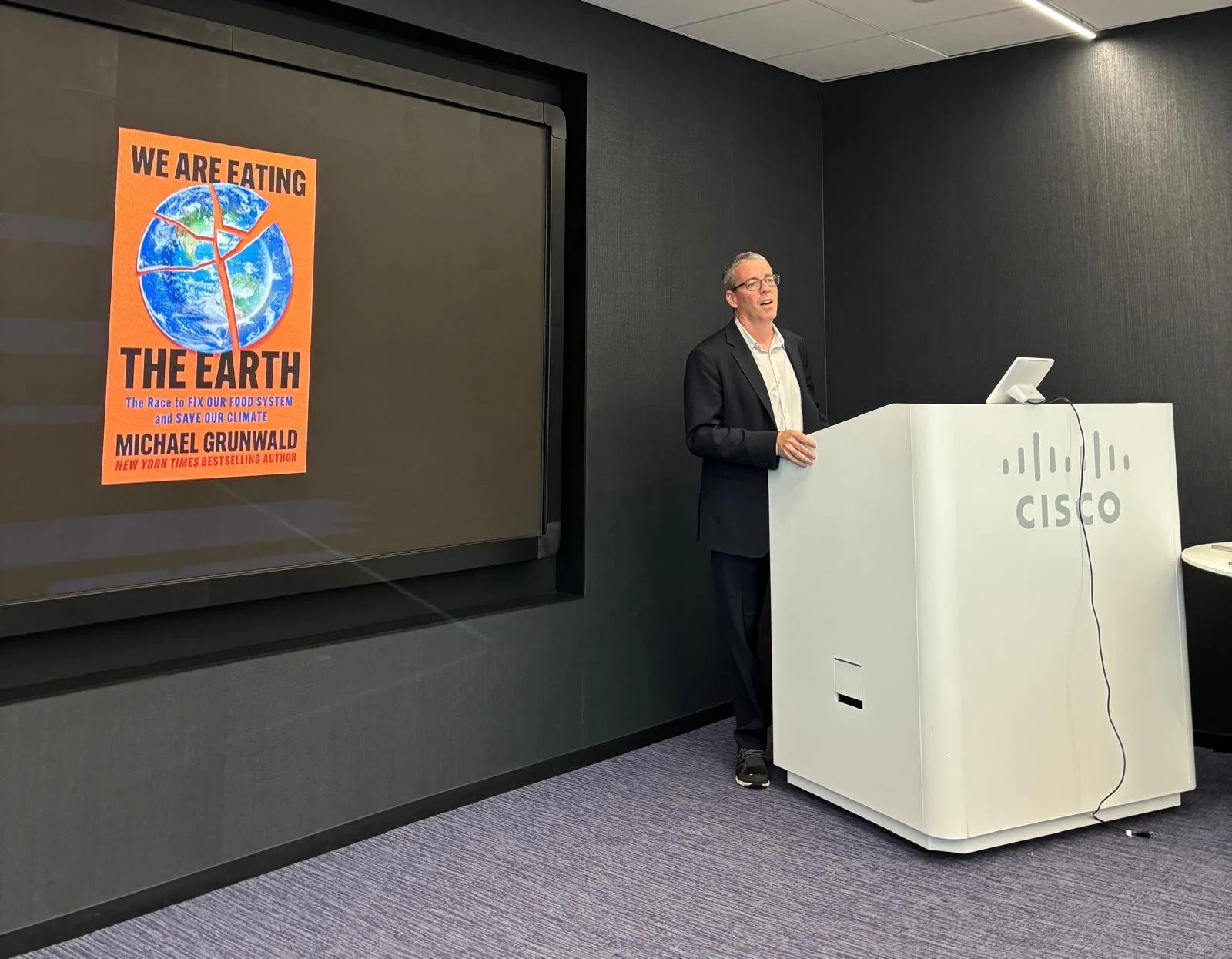
A highlight of the event was guest speaker Michael Grunwald, award-winning journalist and bestselling author. He introduced his latest book, We Are Eating the Earth, which exposes the unsustainability of our global food system and argues that transforming agriculture is essential to tackling the climate crisis (and biodiversity loss!).
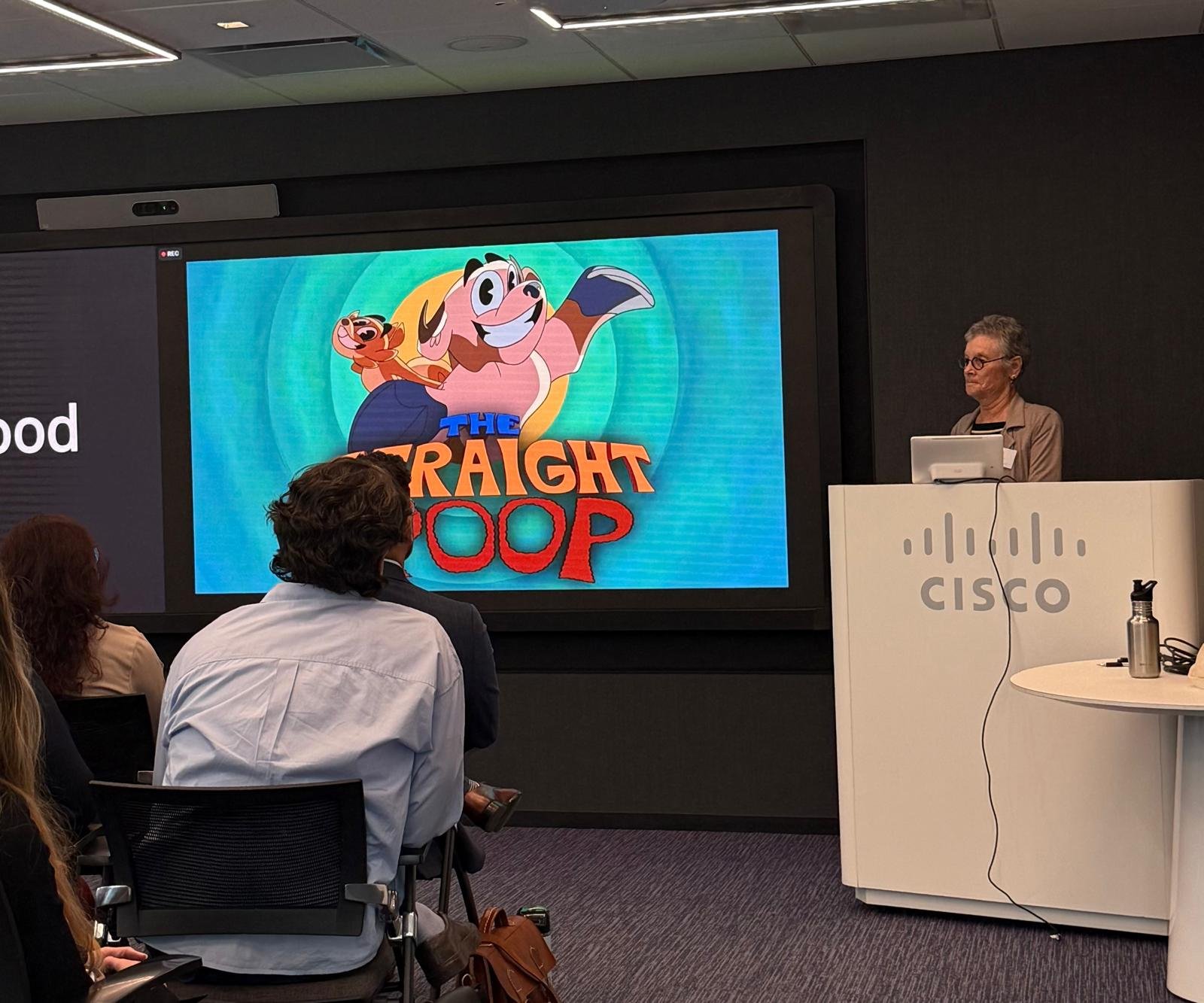
Attendees also enjoyed the NYC premiere of The Straight Poop, a short, award-winning animated film produced by Biologists without Borders. In just four minutes, the film delivered an engaging and eye-opening message about how our food choices impact the planet and the ecosystems vital for wildlife to thrive. What makes this film stand out is its unique combination of humor and educational content, which allows it to address the serious dangers of climate change in an entertaining and approachable manner.
If you weren’t able to tune into the event, you can watch this award winning film right here, streaming free: The Straight Poop (Run time 4 minutes). And if you are an educator, it’s a great one to stream in your classroom!
Here are some highlights from our speakers
Habitat loss today is largely driven by agricultural expansion. Nearly 45% of the world’s habitable land is now used for agriculture, and 80% of that is dedicated to livestock production. This intensive use of land significantly contributes to biodiversity loss. The environmental imbalance is stark: 96% of mammal biomass on Earth consists of humans and livestock, leaving just 4% for wild mammals. This imbalance poses serious threats to species survival, including elephants and other keystone species.
Transforming our food system is essential for preserving the climate. Livestock—particularly beef—produces greenhouse gas emissions on par with the entire global transportation sector, underscoring the urgent need for dietary shifts. Yet, reducing meat consumption is not simply a scientific challenge; cultural factors play a major role. In the United States, for example, mostly middle-aged men account for half of all beef consumption, making it especially difficult to promote widespread change.
Unsustainable agricultural practices, such as deforestation at the rate of a soccer field every six seconds, further highlight the urgency of adopting sustainable solutions. While much debate centers around whether intensification or land footprint drives environmental harm, evidence shows that land use is the greater concern. This raises questions about the scientific validity of some regenerative agriculture claims. Still, positive practices—like rotational grazing and cover cropping—show promise for improving soil health and sustainability, provided they can be balanced with the need to maintain agricultural productivity.
At the individual level, dietary choices matter the most. Reducing beef consumption and minimizing food waste are simple, impactful steps people can take to lower their environmental footprint. Broader systemic solutions are also vital. Policy advocacy must integrate agricultural productivity with forest protection, creating incentives that prevent encroachment into forests while upholding biodiversity standards. In addition, innovative approaches to food waste—such as composting programs and technology-driven surplus food sales—offer effective strategies for conserving resources and building a more sustainable food system.