WILD TOMORROW PARTNERS WITH GO FOREST TO RESTORE ENDANGERED SAND FOREST
We are excited to announce a new partnership with Belgium-based Go Forest, connecting supporters around the world with the opportunity to help restore one of South Africa's rarest and most threatened ecosystems. Through this collaboration, individuals and businesses can now fund the planting of indigenous trees in the critically endangered Sand Forest at Wild Tomorrow's Greater Ukuwela Nature Reserve in KwaZulu-Natal, South Africa.
Read more about this partnership and about our Sand Forest Restoration Project in the blog post below.

At Wild Tomorrow, we believe that protecting wildlife begins with protecting and restoring the places they call home. That’s why we are thrilled to welcome Go Forest as our newest international conservation partner!
Based in Beligum, Go Forest connects individuals and businesses with impactful tree-planting and forest restoration projects around the world. Through its network of local conservation partners, Go Forest supports projects that deliver meaningful benefits for biodiversity, the environment, and surrounding communities.
Now, Wild Tomorrow’s Sand Forest Restoration Project is part of that growing global network - giving supporters a new way to contribute directly to the recovery of this extraordinary ecosystem! And thanks to Go Forest’s online platform, planting a tree in South Africa is now just a few clicks away!
WHAT IS THE SAND FOREST, AND WHY DOES IT MATTER?
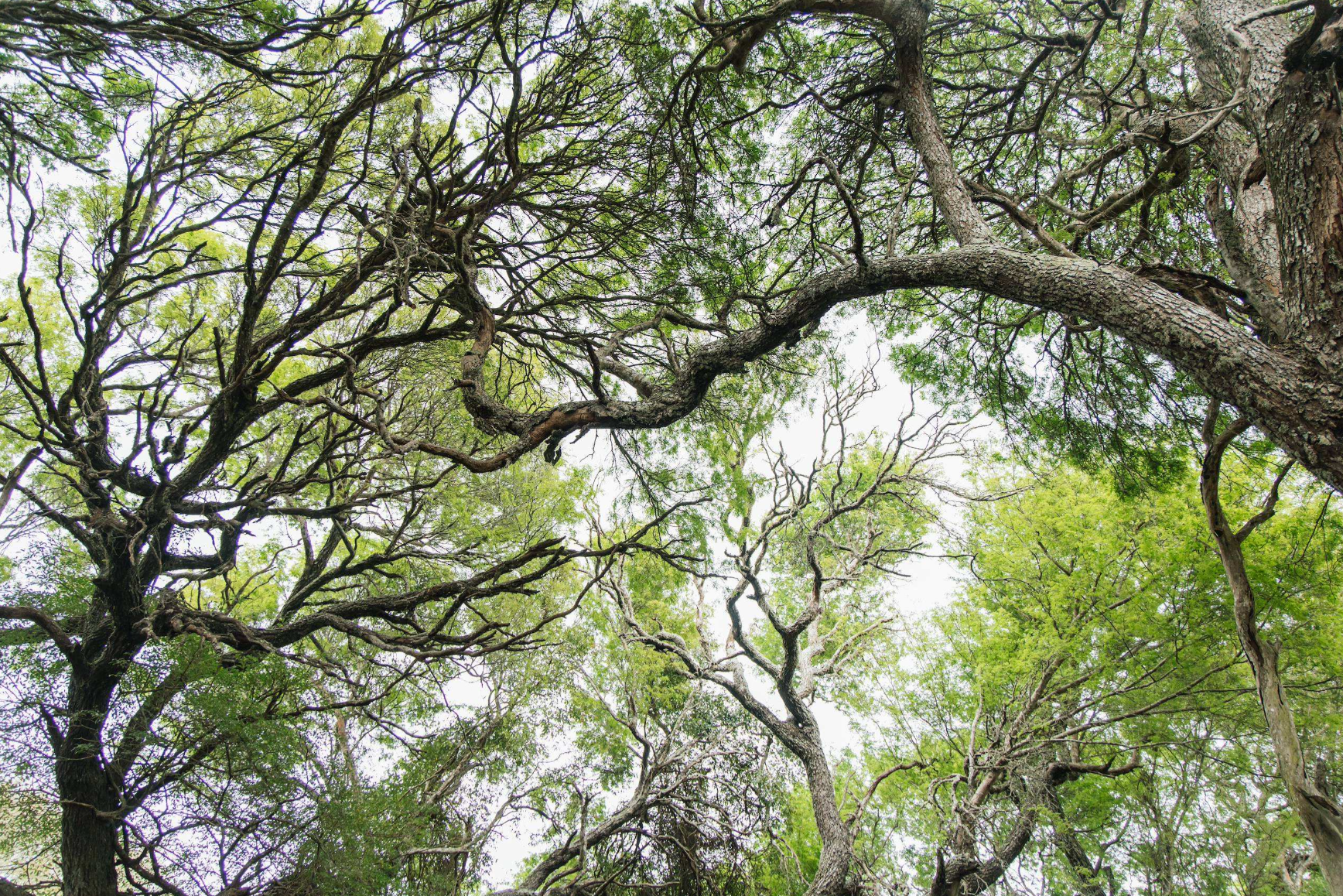
Hidden among the landscapes of northern KwaZulu-Natal is one of Southern Africa’s rarest ecological treasures: Sand Forest. Growing on ancient, nutrient-poor sandy soils left behind by shifting coastlines millions of years ago, Sand Forest is a unique type of tropical dry forest found primarily in northern KwaZulu-Natal and southern Mozambique.
Although its distribution is remarkably limited, Sand Forest supports extraordinary biodiversity, including plants and animals found nowhere else on Earth. It forms part of the Maputaland-Pondoland-Albany Biodiversity Hotspot, a region recognized globally for its exceptional biological richness.
These forests are also deeply connected to local cultural heritage, with many indigenous plant species traditionally used for medicinal and other purposes. Unfortunately, decades of agricultural expansion, land clearing, unsustainable harvesting, and invasive species have severely fragmented and degraded this habitat.
Today, the Sand Forest is classified as a critically endangered ecosystem - making its protection and restoration an urgent conservation priority.
FROM DEGRADED LAND TO THRIVING FOREST
At Wild Tomorrow’s Greater Ukuwela Nature Reserve, our team is working to bring this disappearing forest back to live! Our Sand Forest Restoration Project began in 2022 with support from the L’Occitane Foundation. Since then, additional partnerships, including a two-year Field Conservation Grant from Taronga Conservation Society Australia, have helped us expand our indigenous tree nursery and scale up our restoration efforts.
Our long-term goal is to restore 24 hectares of historically occurring Sand Forest, planting 15,000 indigenous trees representing at least 20 native species. But restoring a forest is about much more than putting trees in the ground.
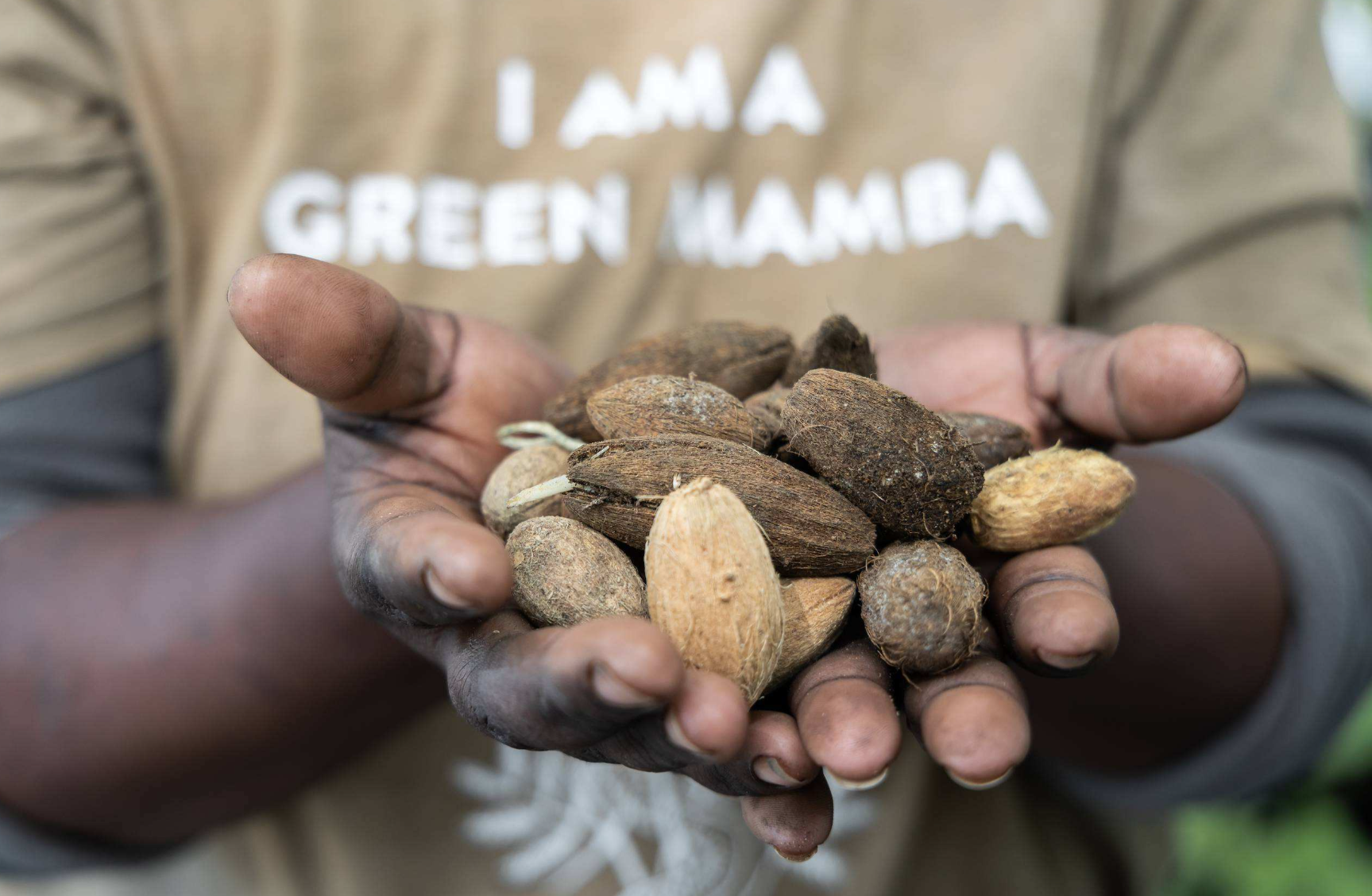
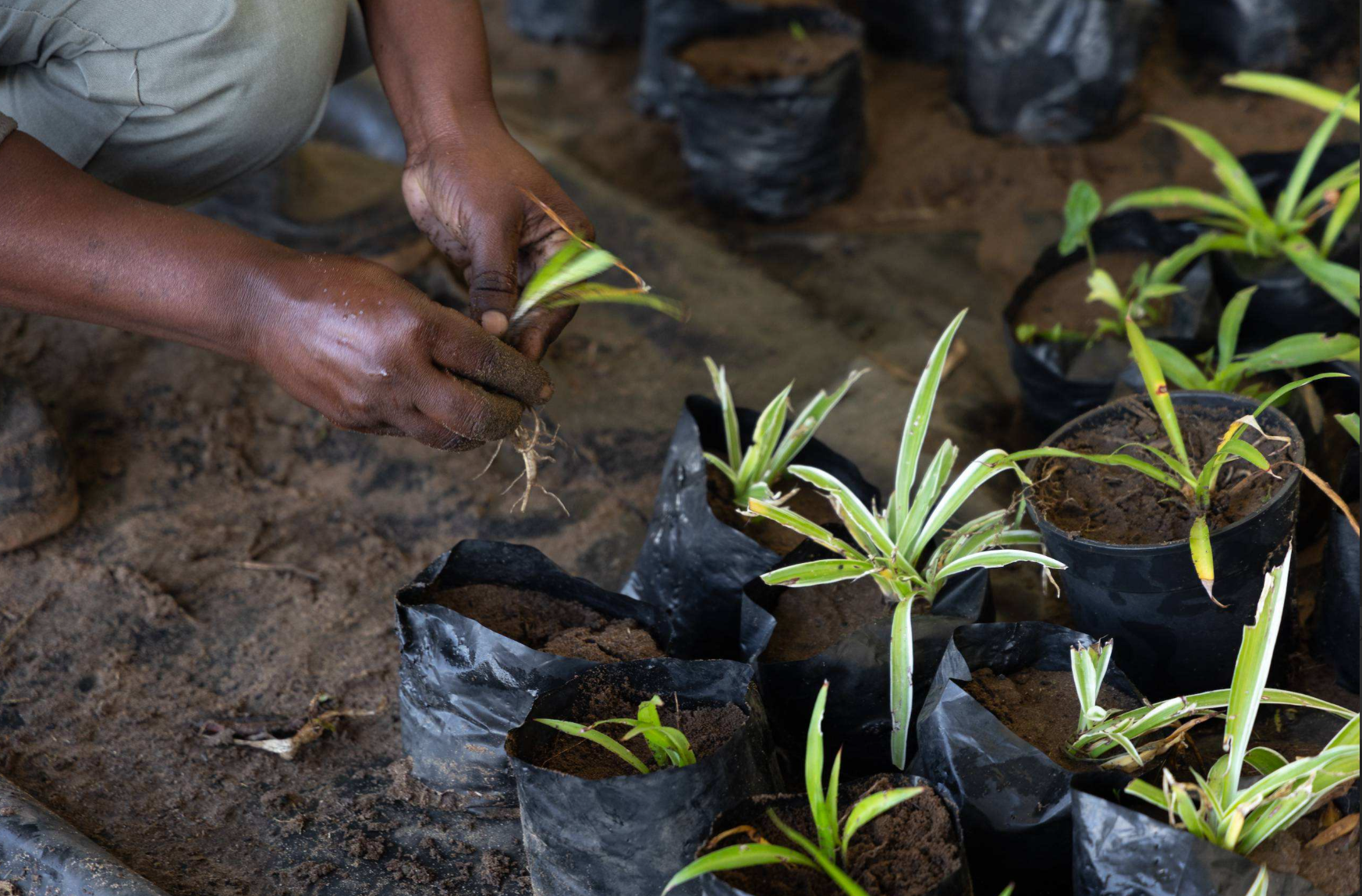
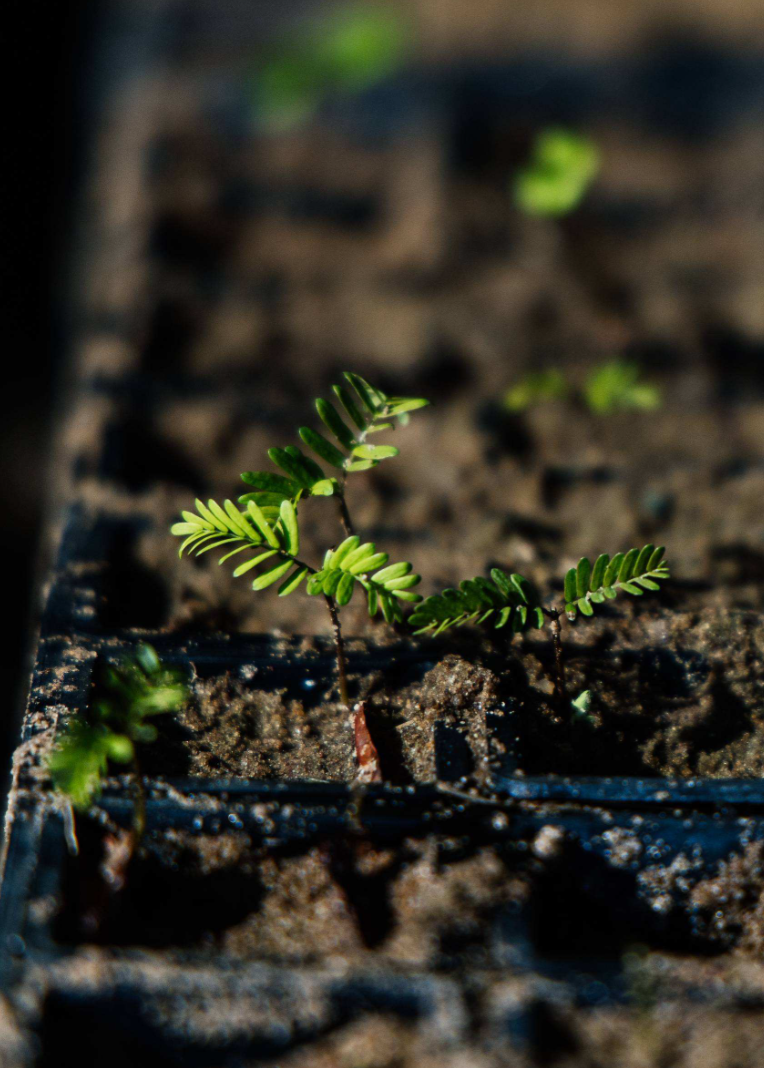
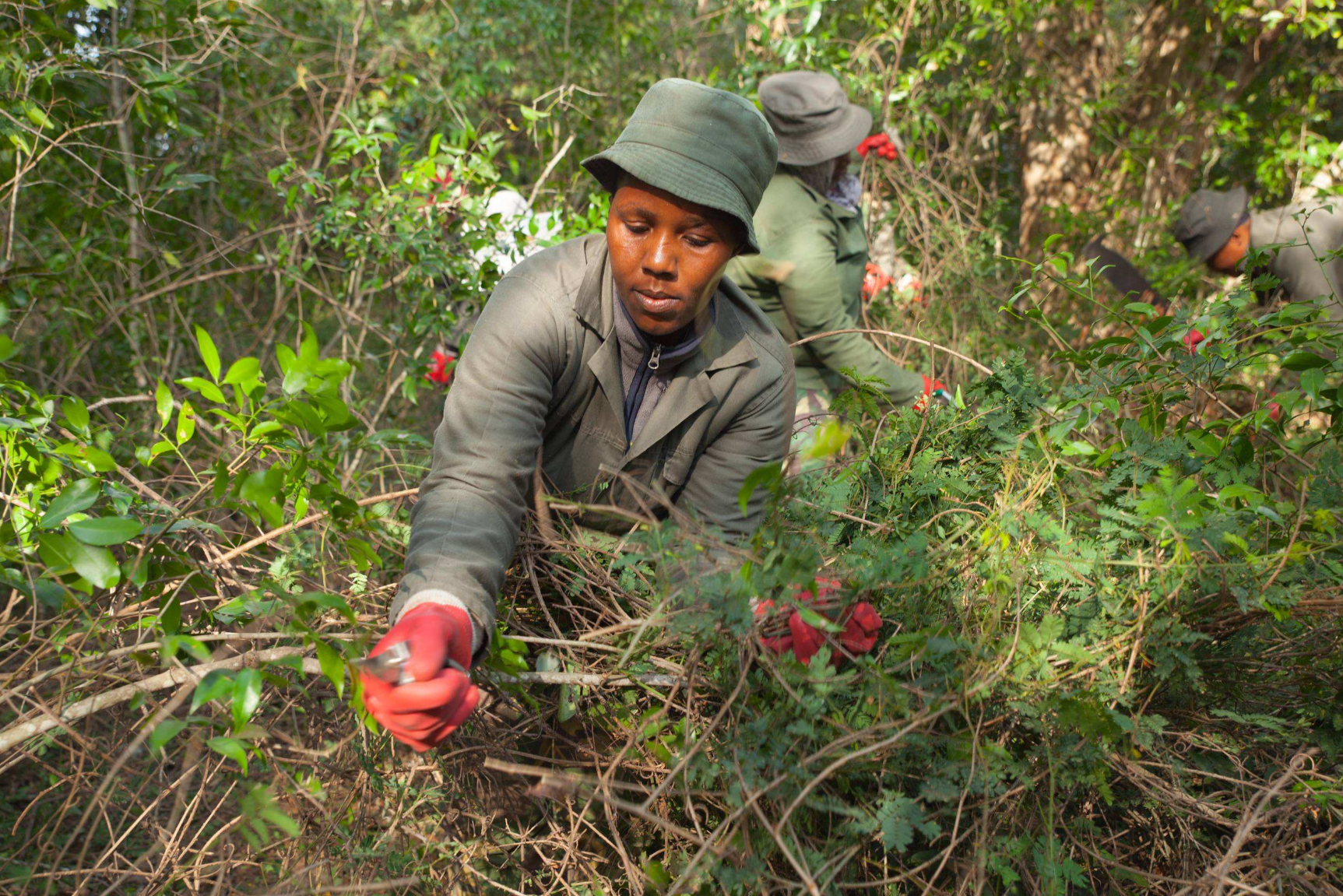
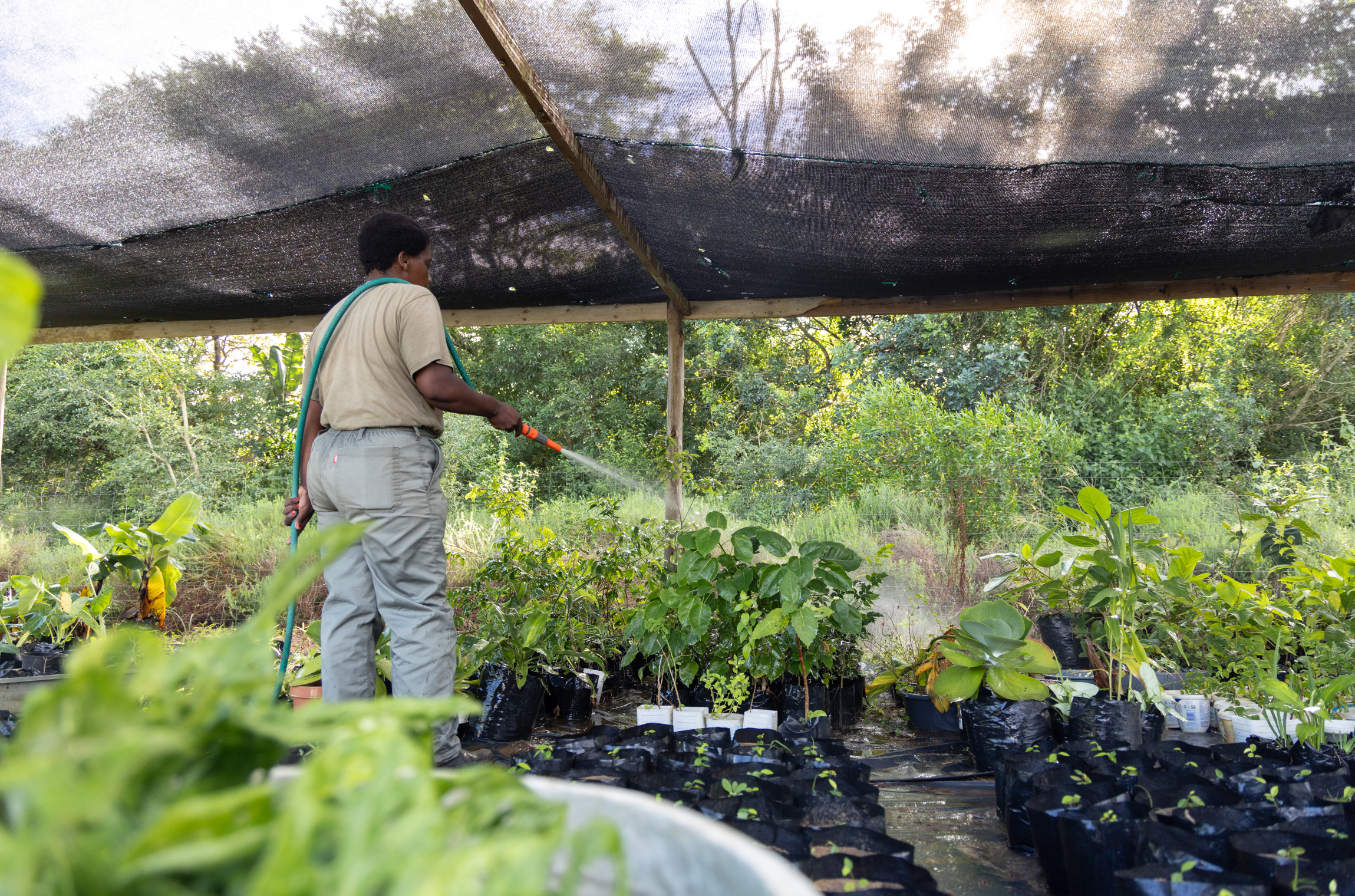
The process begins with collecting indigenous seeds, nurturing seedlings in our on-site nursery, and preparing degraded landscapes by removing invasive vegetation. In heavily degraded areas, fast-growing pioneer species are planted first to establish a protective canopy. As these trees grow, slower-growing Sand Forest species can be introduced beneath them - gradually rebuilding the layered structure of a mature forest. In existing forest patches, additional indigenous species are planted to strengthen biodiversity and support natural recovery.
Our nursery currently grows 33 indigenous Sand Forest species, including the magnificent Lebombo Wattle - one of the characteristic trees of this unique habitat.
Planting takes place during the summer rainy season, from approximately October through March, followed by ongoing monitoring and maintenance to give each young tree the best possible chance of survival.
Over time, these restoration efforts will help reconnect fragmented forest patches, create new feeding and breeding habitats for wildlife, and strengthen the ecological corridor between neighboring protected areas.
THE WOMEN GROWING TOMORROW’S FORESTS
At the heart of this project is a remarkable team of women: Wild Tomorrow’s Green Mambas. Recruited from neighboring rural communities, the Green Mambas are our all-female habitat restoration team - working tirelessly to remove invasive vegetation, prepare restoration sites, plant indigenous trees, and care for recovering habitats. Their work is essential to the future of Sand Forest, but its impact extends far beyond conservation.
Through meaningful employment, practical training, and skills development, the Green Mambas are building sustainable livelihoods while supporting their families and communities.
Collectively, employment of the Green Mambas supports more than 100+ family members and dependents in the surrounding area. Through this partnership with Go Forest, every tree planted contributes to a much bigger story: one of biodiversity recovery, women’s empowerment, and long-term community resilience.
PLANT A TREE, HELP RESTORE A FOREST
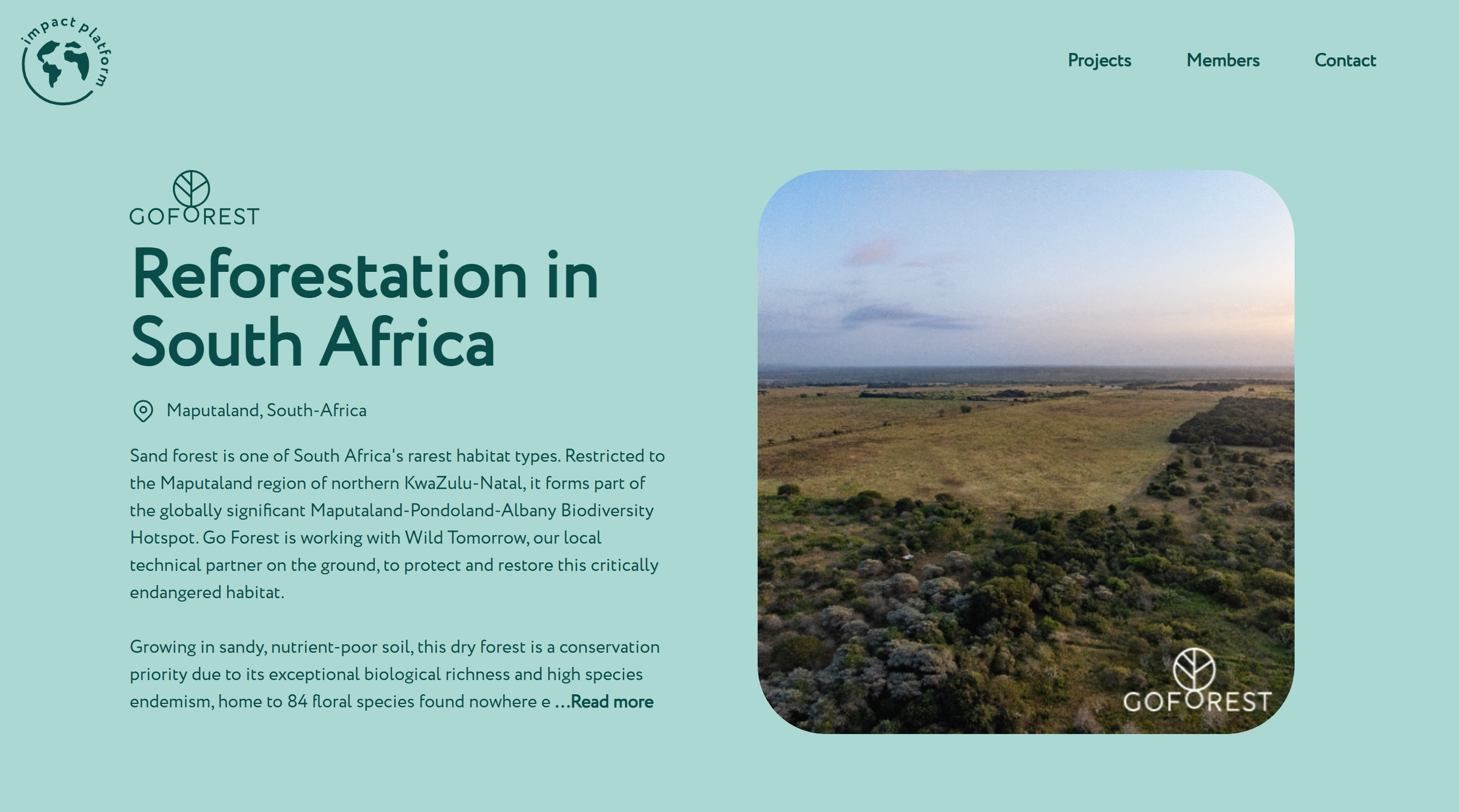
Check out the full project page here: https://www.go-impact.be/en/projects/reforestation-in-south-africa
One of the most exciting aspects of our new partnership is how easy Go Forest makes it for people around the world to get involved. Through their online platform, individuals and businesses can support the planting of indigenous trees at Wild Tomorrow’s Greater Ukuwela Nature Reserve - helping fund the ongoing work of restoring this critically endangered habitat.
Go Forest also provides a dedicated project dashboard, allowing supporters to learn more about the restoration work, explore its ecological and social impact, and follow updates as the project progresses.
Whether you’re looking for a meaningful way to give back to nature, to support a conservation initiative through your business, or simply help bring a little more green into the world…this is an opportunity to make a lasting difference!
Explore our project and help plant the next generation of Sand Forest trees:
GROWING TOGETHER FOR A WILD TOMORROW
We are incredibly grateful to the Go Forest team for recognizing the importance of protecting and restoring South Africa’s critically endangered Sand Forest, and for helping us introduce this special ecosystem to a new community of supporters around the world.
We also extend our thanks to the conservation partners, scientists, nursery staff, Green Mambas, and supporters whose dedication has helped grow this project from its earliest beginnings.
Restoring a forest takes time, patience, science, and many helping hands. Every seed nurtured, invasive plant removed, and indigenous tree planted brings us one step closer to a healthier, more connected landscape.