
FROM CRIME SCENE TO COURTROOM: STRENGTHENING WILDLIFE CRIME INVESTIGATIONS IN ZULULAND
Wild Tomorrow was proud to once again partner with Wildlife Defense to host a Wildlife Crime Scene Investigative Techniques training at the Wild Tomorrow Conservation Centre in Hluhluwe, KwaZulu-Natal. Over the course of five days, wildlife rangers, reserve managers, conservation professionals, and law enforcement officers came together for hands-on forensic training, strengthening the skills and collaboration needed to combat wildlife crime. From crime scene investigations and evidence collection to mock poaching scenarios and courtroom preparation, it was a wonderful week of learning, teamwork, and a shared commitment to protecting wildlife.
Read more about this year’s training in our blog post below!

All photographs taken by Scott Bradley, SOSA.
WHY WILDLIFE CRIME SCENE INVESTIGATION MATTERS
When a wildlife crime occurs, the first people on the scene can make all the difference. Whether it’s a ranger discovering evidence of poaching during a routine patrol or a police officer responding to a wildlife crime incident, the actions taken in those first critical moments can determine whether valuable evidence is preserved, an investigation moves forward, and those responsible are ultimately brought to justice.
Which is exactly why training matters! Wildlife crime investigations require much more than detecting illegal activity. They demand careful evidence collection, proper documentation, effective communication, and cooperation between the conservation personnel who may be first on the scene and the law enforcement agencies responsible for investigating and prosecuting offenders.
Through our ongoing partnership with Wildlife Defense, Wild Tomorrow is helping equip frontline conservation and law enforcement personnel with the practical skills and knowledge needed to strengthen wildlife crime investigations.
BRINGING CONSERVATION AND LAW ENFORCEMENT TOGETHER
Wildlife crime doesn’t stop at reserve boundaries, and neither should the efforts to combat it. Now in our third year of hosting the Wildlife Crime Scene Investigative Techniques (WCSIT) training with Wildlife Defense, we continue to bring together professionals from different organizations, backgrounds, and areas of expertise…all united by a shared commitment to protecting wildlife.
One of this year’s most exciting highlights was welcoming 10 members from SAPS - the South African Police Service - to the training, building on the participation of SAPS personnel in our previous two courses. Having police officers in attendance learning alongside wildlife rangers, reserve managers, and anti-poaching personnel creates invaluable opportunities to better understand each other’s roles, exchange practical experience, and strengthen the relationships needed when real wildife crimes occur.
The training also provides an opportunity for personnel from government reserves, private conservation areas, and other organizations to share experiences and learn from one another. By bringing these groups together, we hope to strengthen not only individual investigative skills but also the wider network of people responsible for protecting wildlife across KwaZulu-Natal and beyond.
FIVE DAYS OF LEARNING, INVESTIGATION, AND HANDS-ON EXPERIENCE
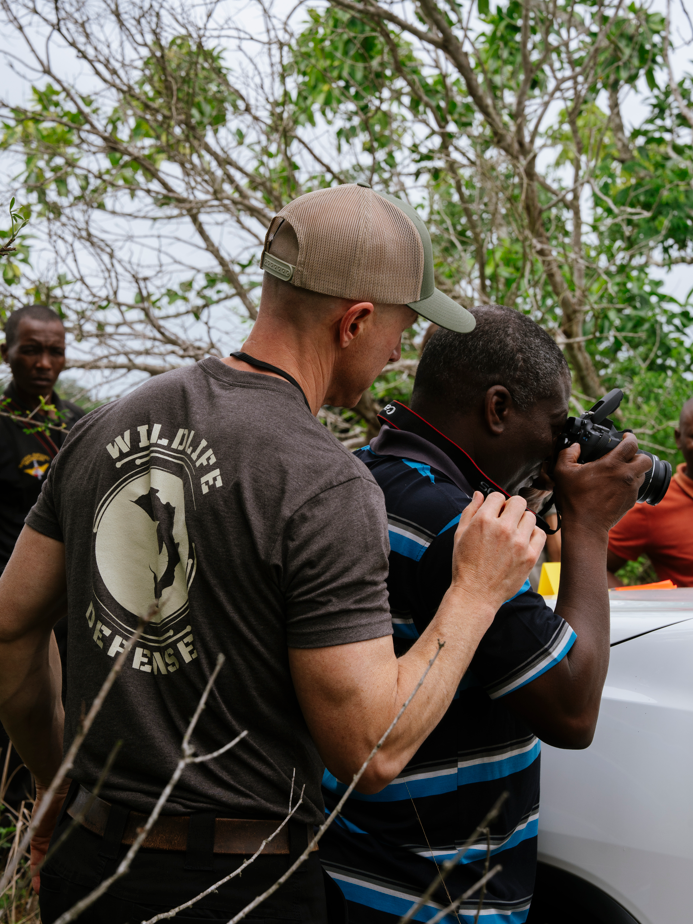
Led by Wildlife Defense's experienced international instructor team, the five-day programme combined classroom-based learning with practical field exercises designed to equip participants with investigative techniques they can apply directly in their work.
The week began by examining the global implications of the illegal wildlife trade before introducing participants to the fundamentals of crime scene security, assessment, detailed note-taking, measurements, and sketching. From there, participants progressed through a range of specialized forensic techniques, including:
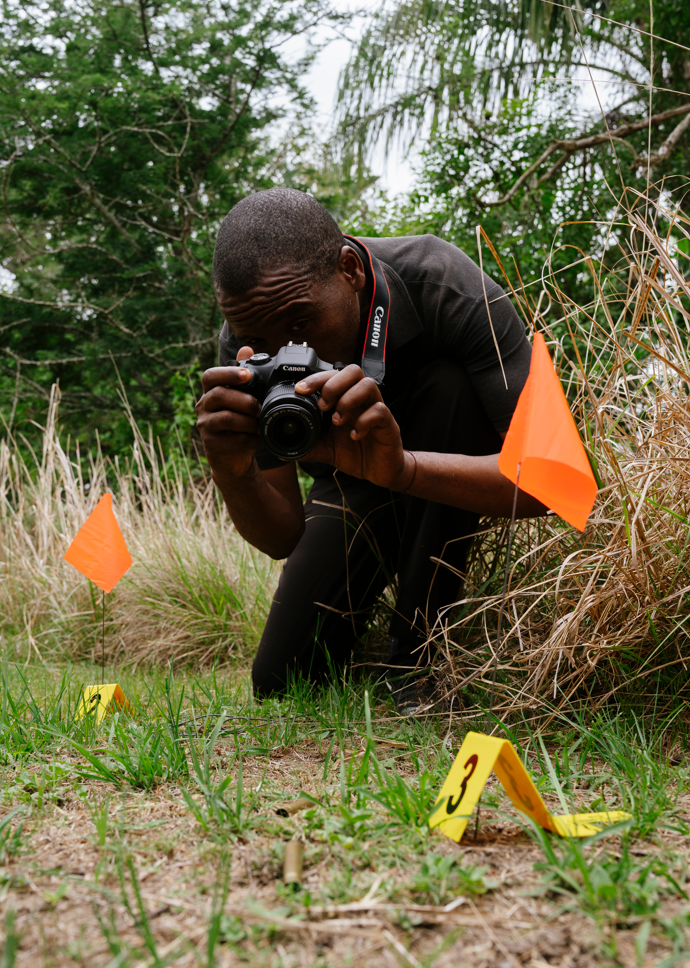
Crime scene photography
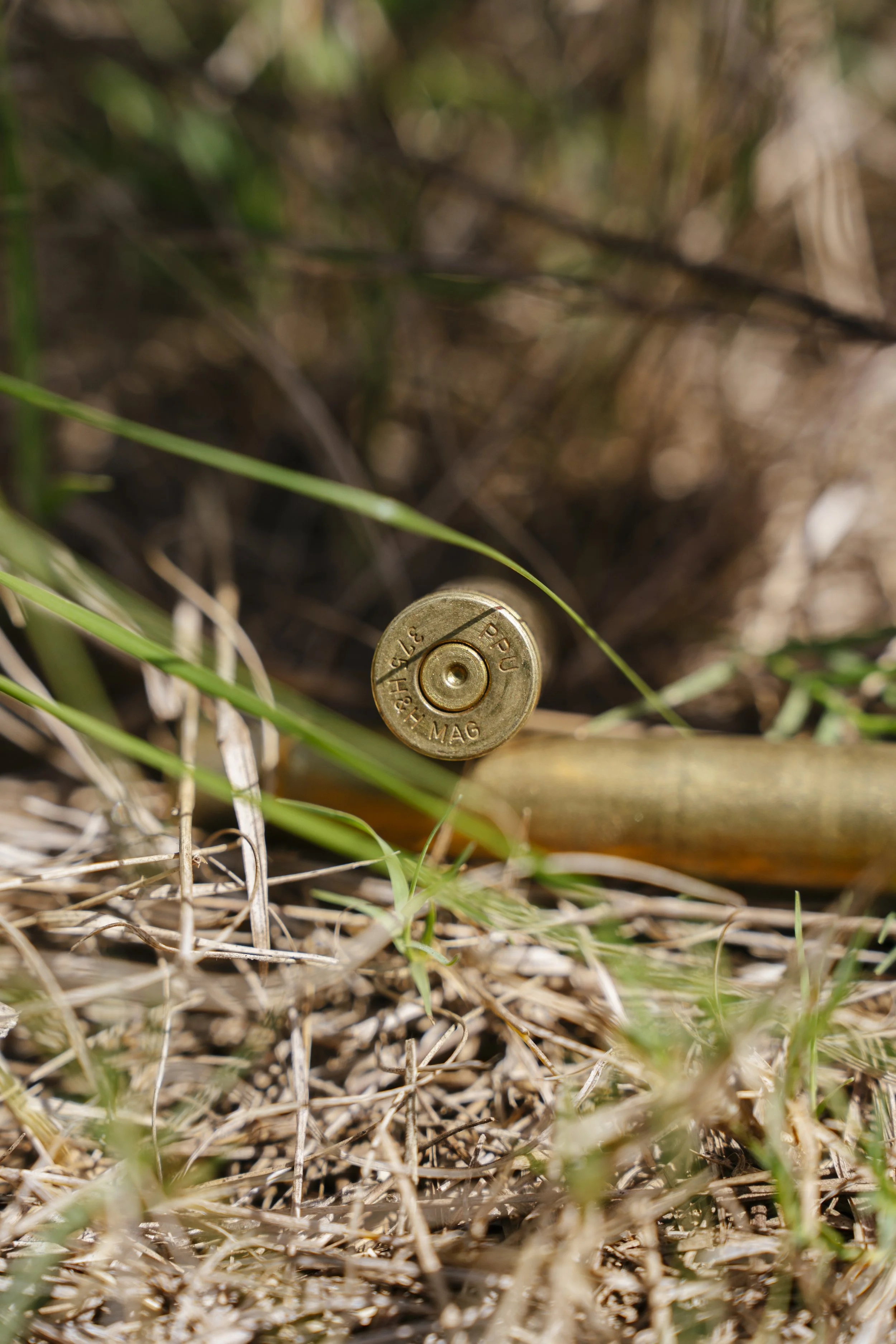
Forensic evidence collection
DNA and fingerprint evidence
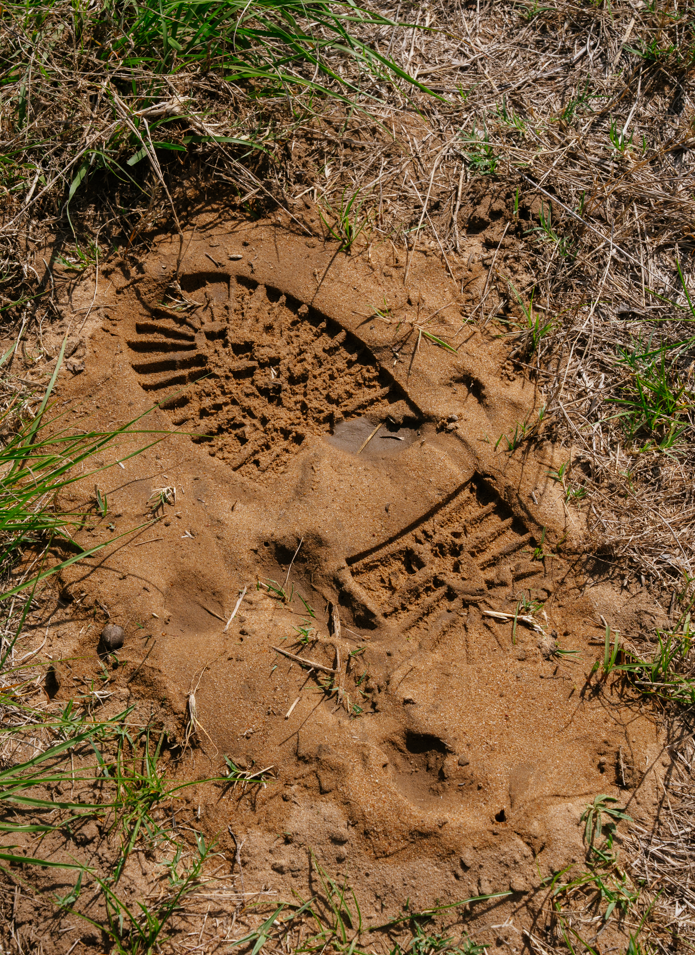
Impression casting
Case file management and courtroom testimony
Technology and intelligence
These skills are particularly important in wildlife crime cases, where evidence may be found in remote locations, exposed to the elements, or discovered by personnel who must secure a scene before specialist investigators arrive.
The objective is not simply to identify that a crime has occurred, but to help ensure that the evidence collected can withstand scrutiny throughout the investigative and judicial process.

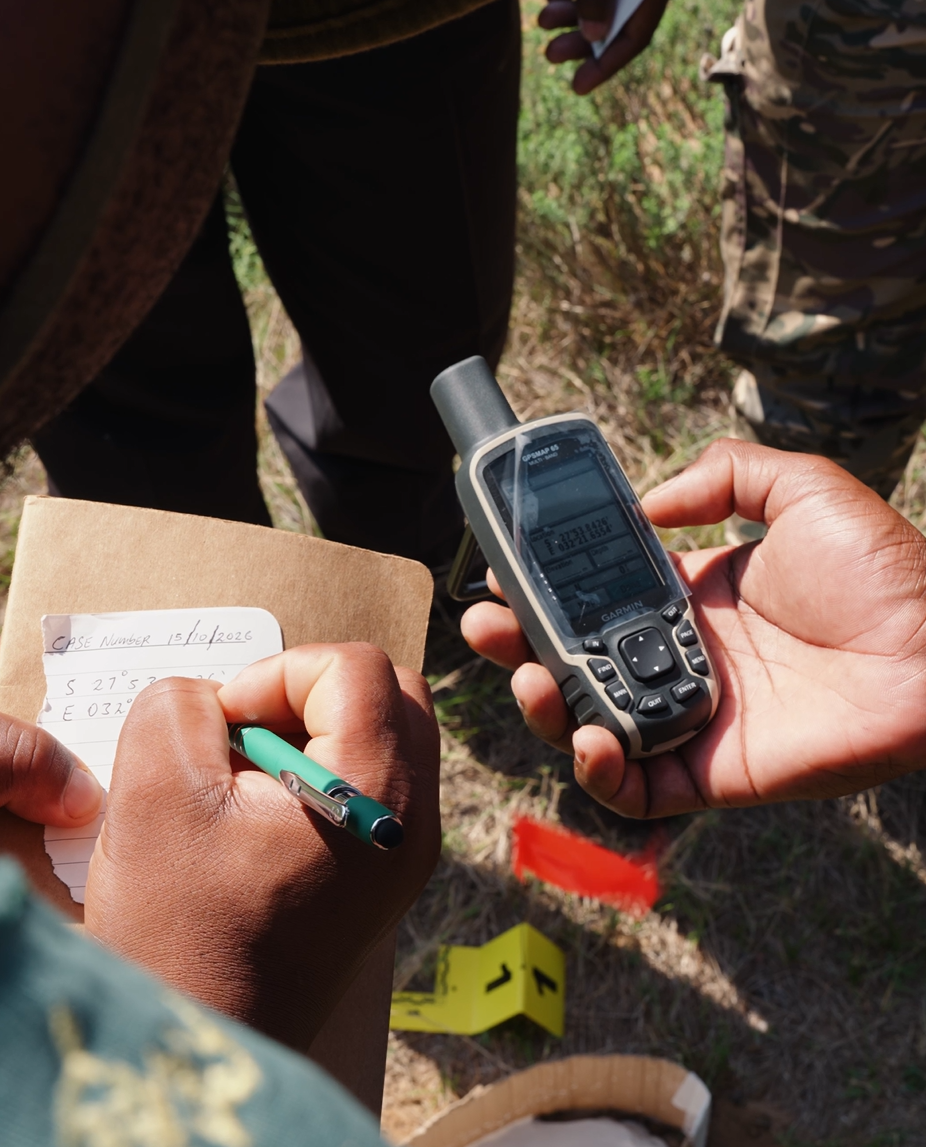
PUTTING SKILLS TO THE TEST: A MOCK POACHING INVESTIGATION
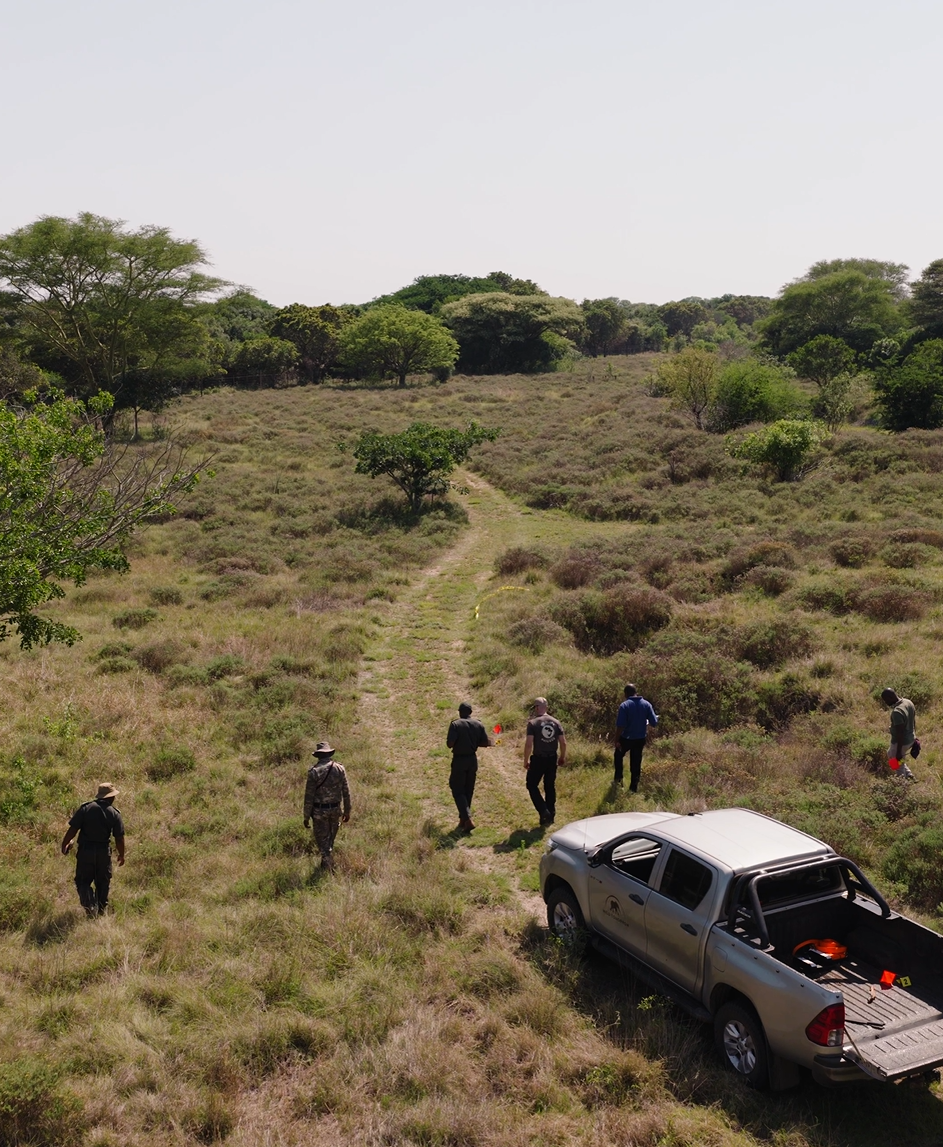
One of the highlights of the week was the practical mock poaching scenario, where participants were challenged to put their newly acquired skills into action. Working in teams, participants approached a simulated wildlife crime scene and applied the techniques they had learned throughout the course.
From assessing and securing the scene to documenting evidence, taking photographs, recording measurements, and collecting forensic material, the exercise provided an opportunity to experience the challenges of a real investigation in a controlled learning environment.
But the exercise didn't end in the field. Teams then worked together to organize their findings, develop case presentations, and communicate the evidence collected during their investigations.
This process reinforced an essential message: a successful wildlife crime investigation doesn't end when evidence is collected. It must be properly documented, preserved, and presented to support the pursuit of justice.
The week concluded with additional practical training in compass and GPS land navigation, followed by a graduation and certificate ceremony celebrating the participants' hard work and commitment.
BUILDING A STRONGER NETWORK TO PROTECT WILDLIFE
While the technical skills gained during WCSIT are invaluable, one of the greatest outcomes of the training is the network of people it brings together. Wildlife crime is rarely an isolated issue. Poaching, trafficking, and illegal wildlife trade can involve multiple reserves, jurisdictions, and even international borders.
Effective responses require cooperation between those protecting wildlife on the ground and those responsible for investigating and prosecuting wildlife crime. By bringing rangers, reserve managers, investigators, and SAPS members into the same classroom — and onto the same practical training teams — WCSIT helps strengthen the relationships, communication, and mutual understanding that are essential when incidents occur. And, these connections continue long after the final day of training.
A PARTNERSHIP BUILT ON SHARED PURPOSE
We are incredibly grateful to Wildlife Defense, whose commitment to strengthening wildlife law enforcement capacity across Africa continues to make this programme possible.
Co-founded by Leigh and Jesse Paluch, Wildlife Defense brings together professionals with extensive experience in wildlife law enforcement, criminal investigations, conservation, and forensic training.
This year's instructor team included expertise from the United States, South Africa, and Uganda, offering participants a valuable combination of international investigative experience and practical knowledge of conservation challenges on the African continent.
Their dedication to sharing knowledge and equipping those on the frontlines of wildlife protection is truly inspiring.
We would also like to extend our sincere appreciation to all of the participating reserves, organizations, and SAPS members who committed their time to this training. Your willingness to learn, collaborate, and strengthen your skills is an investment in the future of wildlife protection across our region.
INVESTING IN PEOPLE IS INVESTING IN WILDLIFE PROTECTION
At Wild Tomorrow, protecting wildlife means not only conserving land and restoring habitat, but also supporting the people on the frontlines. Through our continued partnership with Wildlife Defense, we're helping equip rangers, investigators, and law enforcement officers with the skills, resources, and connections needed to combat wildlife crime. A heartfelt thank you to every participant for your dedication to protecting South Africa's wildlife, and to Wildlife Defense for another incredible week of training and collaboration. Together, we're strengthening wildlife protection…one trained ranger, investigator, and police officer at a time!